Few situations create panic as quickly as realizing a pet may have swallowed something toxic. A dog may grab medication that falls onto the kitchen floor in Ottawa, a cat in Gloucester may chew a household plant, or a curious puppy in Vanier may find chocolate, cleaning products, or another dangerous substance before anyone notices.
For pet owners throughout Ottawa, Gloucester, Vanier, Blackburn Hamlet, Orléans, Navan, and Rockcliffe, the most important thing to understand is that suspected poisoning should be taken seriously even when the pet still appears completely normal.
Some toxic substances cause symptoms almost immediately. Others can take hours before noticeable signs develop. Waiting for a pet to become visibly sick can therefore delay important treatment. The ASPCA advises contacting a veterinarian or animal poison service after a potentially hazardous ingestion even when no symptoms have appeared yet. (ASPCA)
Knowing what to do during those first few minutes can make an enormous difference.
First: Do Not Panic
Discovering an open medication bottle, chewed package, spilled chemical, or missing piece of food can be frightening.
The immediate instinct may be to try a home remedy, make the pet vomit, or search online for an antidote.
That can sometimes make the situation more dangerous.
Instead, the first steps should be calm and deliberate:
- Remove the pet from the substance.
- Prevent further exposure.
- Check whether the pet is conscious and breathing normally.
- Identify what may have been consumed.
- Contact veterinary professionals for guidance.
Pet Poison Helpline specifically advises owners not to give home antidotes or induce vomiting without professional guidance. (Pet Poison Helpline)
For a pet owner in Blackburn Hamlet, Orléans, Gloucester, Vanier, Navan, Rockcliffe, or elsewhere in Ottawa, those first decisions matter.
What Counts as a Toxic Substance for Pets?
Many poisoning cases involve completely ordinary household items.
Something can be safe for humans but dangerous for a dog or cat because animals metabolize substances differently.
Potential hazards can include:
- Human medications
- Certain foods
- Household cleaners
- Rodenticides
- Insecticides
- Garden products
- Antifreeze
- Certain plants
- Nicotine products
- Cannabis products
- Some essential oils
- Veterinary medication taken at the wrong dose
- Supplements
- Chemicals stored in garages or sheds
The exact risk depends on what the substance is, how much was consumed, the animal species, the pet’s size, and other individual health factors.
That is why guessing based on appearance alone is not safe.
1. Human Medications
Medication exposure is a major concern because tablets can be dropped accidentally, left on counters, or stored in bags that determined pets can access.
Prescription and over the counter medications can both create problems.
Potential exposures include:
- Pain relievers
- Cold medications
- Antidepressants
- Sleep medications
- ADHD medication
- Heart medication
- Diabetes medication
- Vitamins and supplements
Even medications used safely in veterinary medicine may become dangerous if a pet consumes the wrong amount.
If a dog in Ottawa grabs a dropped pill or a cat in Gloucester chews into a medication bottle, owners should not wait to see what happens.
Keep the packaging and determine, if possible:
- Exact medication name
- Strength
- Number of tablets missing
- Approximate time of ingestion
Pet Poison Helpline notes that medication name, formulation, strength, and possible quantity ingested are among the important details used when assessing a poisoning exposure. (Pet Poison Helpline)
2. Chocolate
Chocolate is one of the best known household food hazards for dogs.
The level of concern depends on several factors, including:
- Type of chocolate
- Amount eaten
- Dog’s body weight
Dark chocolate and baking chocolate generally contain higher concentrations of compounds that are problematic for dogs than milk chocolate.
An owner should keep the wrapper or package whenever possible and estimate how much may be missing.
A dog that steals a small piece of one product and a small dog that eats an entire package can represent very different situations.
Professional risk assessment is therefore far safer than trying to judge exposure from internet charts alone.
3. Grapes and Raisins
Grapes and raisins can be dangerous to dogs.
They may appear in:
- Snack mixes
- Baked products
- Cereal
- Trail mix
- Raisin bread
- Desserts
Because susceptibility can be unpredictable, suspected ingestion should be discussed promptly with veterinary professionals.
Pet owners in Orléans, Navan, Vanier, Blackburn Hamlet, Rockcliffe, Gloucester, and Ottawa should also remember that toxic food ingredients are not always obvious from the front of the package.
Checking the ingredient list can be extremely important.
4. Xylitol
Xylitol is a sweetener that may be found in certain sugar free products.
Possible sources can include:
- Sugar free gum
- Certain candies
- Some baked goods
- Certain peanut or nut butters
- Dental products
- Some supplements
Product formulations can change, so owners should inspect ingredient labels rather than assuming a familiar product is safe.
If xylitol is listed and a dog may have consumed the product, professional guidance should be sought promptly.
5. Onions, Garlic, and Related Foods
Certain foods from the onion family can cause problems in pets.
Exposure may occur through obvious ingredients or prepared foods such as:
- Sauces
- Seasonings
- Soups
- Gravies
- Leftovers
- Prepared meat dishes
Owners should not assume that a small piece of a human meal is automatically safe simply because the main ingredient appears harmless.
Seasonings and secondary ingredients matter.
The ASPCA maintains guidance on human foods that can be dangerous to pets and recommends noting both the substance and quantity consumed when contacting veterinary professionals. (ASPCA)
6. Alcohol and Raw Yeast Dough
Alcohol exposure can cause serious poisoning in animals.
Raw yeast dough can create an additional problem because fermentation can produce alcohol while the dough expands.
The ASPCA warns that alcohol can cause gastrointestinal symptoms, poor coordination, respiratory problems, tremors, coma, and potentially death, while raw yeast dough can expand within the gastrointestinal tract and produce alcohol. (ASPCA)
A pet that accesses alcoholic beverages, alcohol containing products, or raw dough should therefore receive prompt professional attention.
7. Household Cleaning Products
Cleaning products are everywhere in homes.
Common examples include:
- Bleach
- Detergents
- Disinfectants
- Toilet cleaners
- Drain cleaners
- Oven cleaners
- Concentrated household chemicals
The danger varies considerably depending on the substance and concentration.
Some products primarily cause irritation, while stronger or more corrosive products can damage the mouth, esophagus, skin, or eyes.
The ASPCA notes that concentrated or undiluted cleaning substances can cause significant injury and recommends veterinary or poison control guidance after suspected toxic exposure. (ASPCA)
Owners should bring the product container or take a clear photograph of the label.
8. Plants
Cats and dogs sometimes chew plants simply out of curiosity.
But some plants can be dangerous.
The risk varies enormously depending on the plant species and the pet involved.
One plant may cause mild digestive upset, while another can create a serious medical emergency.
Because accurate plant identification matters, owners should take:
- A photograph of the plant
- A sample when safe to do so
- The plant’s tag or label if available
Do not assume a plant is harmless simply because it is commonly sold as a houseplant.
9. Rodent and Pest Control Products
Products designed to kill pests can understandably pose risks to pets.
Different rodenticides work through different mechanisms, which means there is no universal treatment for every product.
If a pet may have consumed rat or mouse poison:
Keep the package.
The exact active ingredient can be extremely important for determining the risk and treatment.
Pet owners in Navan or more rural areas around Ottawa may also encounter pest control products stored in garages, sheds, barns, or outdoor areas.
Safe storage is essential.
10. Antifreeze and Automotive Products
Garages and driveways can contain substances that are highly dangerous to animals.
Antifreeze is a particularly important example.
Pets may encounter spills around:
- Garages
- Driveways
- Vehicles
- Workshops
The safest approach is preventing access altogether and cleaning spills immediately.
A suspected exposure warrants urgent professional guidance rather than waiting for symptoms.
11. Cannabis and Nicotine Products
Modern households may contain exposures that pet owners did not have to think about as often years ago.
Possible hazards include:
- Cannabis edibles
- Cannabis plant material
- Vape products
- Cigarettes
- Nicotine gum
- Nicotine pouches
- E liquids
Edible cannabis products can create additional complications because they may contain other toxic ingredients such as chocolate or certain sweeteners.
Owners should tell veterinary professionals exactly what product may have been consumed.
There is no benefit to withholding information. Accurate treatment depends on accurate exposure details.
What Should Ottawa Pet Owners Do Immediately?
If a pet has potentially swallowed something toxic, follow a simple sequence.
Remove the Pet From the Area
Prevent additional exposure.
Move the pet away from the substance and secure any remaining product.
Check the Pet
Look for major warning signs such as:
- Difficulty breathing
- Seizures
- Collapse
- Unresponsiveness
- Severe weakness
- Bleeding
ASPCA guidance recommends immediate veterinary hospital care when a poisoned pet is unconscious, experiencing seizures, having trouble breathing, or showing other life threatening signs. (ASPCA)
Identify the Substance
Find the packaging, bottle, ingredient list, medication label, plant, or product involved.
Estimate the Amount
Do not guess more precisely than possible.
Simply determine what appears missing.
Determine When It Happened
Treatment options can sometimes depend on how recently exposure occurred.
Contact Veterinary Professionals
Even if the pet appears normal, guidance should be obtained rather than waiting for symptoms.
Do Not Automatically Make a Pet Vomit
This is one of the most important poisoning rules.
Pet owners sometimes assume that immediately making a dog vomit will remove the toxin and solve the problem.
That is not always true.
Vomiting can be inappropriate or dangerous with certain substances and in certain animals or circumstances.
Pet Poison Helpline explicitly advises not to induce vomiting without first consulting a veterinarian or poison specialist. (Pet Poison Helpline)
The safest decision is obtaining professional instructions first.
Why Hydrogen Peroxide Is Not an Automatic Solution
Online advice frequently recommends hydrogen peroxide after a dog eats something potentially toxic.
That recommendation should not be followed automatically.
Whether vomiting is appropriate depends on factors such as:
- Substance consumed
- Species
- Time since exposure
- Pet’s current condition
- Risk of aspiration
- Underlying medical issues
Pet Poison Helpline specifically warns owners to seek professional advice before using hydrogen peroxide to induce vomiting. (Pet Poison Helpline)
Trying an inappropriate home treatment can complicate an already serious situation.
Should Owners Give Milk, Food, Oil, or Another Home Remedy?
Not unless a veterinary professional specifically recommends it.
The idea that milk, bread, oil, salt, or another household substance can universally neutralize poison is incorrect.
Different toxins behave differently.
Pet Poison Helpline advises owners not to administer home antidotes after suspected poisoning without professional guidance. (Pet Poison Helpline)
What Information Will the Veterinarian Need?
When calling about a possible poisoning, owners should be ready to provide:
- Dog, cat, or other species
- Breed
- Age
- Weight
- Known medical conditions
- Current medications
- Exact substance involved
- Product strength or concentration
- Estimated amount consumed
- Approximate time of exposure
- Symptoms currently present
These details can dramatically improve the quality of the risk assessment. (Pet Poison Helpline)
Bring the Packaging
This simple step can be extremely valuable.
If the pet consumed medication, bring the bottle.
If the pet ate food, bring the wrapper.
If the pet accessed a cleaner, bring the container or photograph the label.
ASPCA poison guidance specifically recommends taking the packaging to the veterinary hospital because it can help identify what the pet consumed and guide treatment. (ASPCA)
What Symptoms Can Poisoning Cause?
Symptoms vary greatly depending on the substance.
Possible signs include:
- Vomiting
- Diarrhea
- Drooling
- Loss of appetite
- Weakness
- Lethargy
- Tremors
- Seizures
- Poor coordination
- Changes in heart rate
- Difficulty breathing
- Abdominal discomfort
- Collapse
- Changes in urination
- Excessive thirst
- Unusual behaviour
Some toxins primarily affect the gastrointestinal system.
Others affect the brain, kidneys, liver, blood, heart, or other organs.
That wide range is why diagnosis should not be based solely on visible symptoms.
What If the Pet Seems Completely Normal?
This is where owners sometimes make a dangerous mistake.
A normal appearing pet is not necessarily safe.
Some toxins have delayed effects.
The ASPCA specifically advises pet owners not to wait for symptoms to worsen because some poisons do not produce immediate signs and can become more difficult to treat once symptoms develop. (ASPCA)
If a pet in Ottawa, Gloucester, Vanier, Blackburn Hamlet, Orléans, Navan, or Rockcliffe is known or strongly suspected to have eaten something toxic, professional guidance should be obtained even if the pet is still running around normally.
When Is Suspected Poisoning an Emergency?
Immediate emergency veterinary care is appropriate if the pet experiences serious symptoms such as:
- Trouble breathing
- Seizures
- Collapse
- Loss of consciousness
- Severe weakness
- Significant bleeding
- Severe tremors
- Major changes in responsiveness
ASPCA guidance recommends immediate veterinary hospital transport when life threatening signs are present. (ASPCA)
Someone searching for an emergency vet near me, 24 hour vet near me, 24 hour animal hospital Ottawa, or emergency vet Ottawa because a pet has consumed something toxic should communicate the suspected substance and current symptoms clearly when contacting the facility.
What Might Happen at the Animal Hospital?
Treatment depends entirely on the toxin and circumstances.
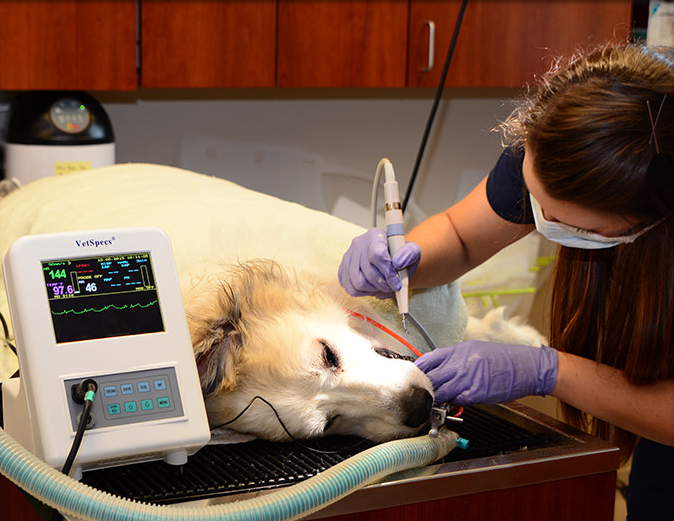
The veterinary team may first assess:
- Heart rate
- Breathing
- Temperature
- Neurological condition
- Hydration
- Blood pressure
- Overall stability
Depending on the toxin, treatment might involve supportive care, medications, gastrointestinal decontamination, intravenous fluids, laboratory monitoring, or other specific interventions.
The earlier an exposure is addressed, the more treatment options may potentially be available. Pet Poison Helpline emphasizes that early attention can make poisoning cases safer and easier to treat. (Pet Poison Helpline)
Why Timing Matters
In poisoning cases, owners sometimes hesitate because they are uncertain whether enough of the substance was consumed to cause harm.
That uncertainty is understandable.
But professional toxicology assessment can often calculate risk based on:
- Animal’s weight
- Substance concentration
- Amount consumed
- Time since ingestion
Waiting until symptoms appear removes valuable time.
If professional assessment determines that the exposure is unlikely to cause harm, the owner may simply be advised what signs to monitor.
Getting guidance does not automatically mean every exposure results in hospitalization.
Dogs and Cats Face Different Risks
The same substance can affect dogs and cats differently.
Cats metabolize certain compounds differently from dogs.
Dogs are more likely to swallow large amounts of food or medication in some situations because of their eating behaviour.
Species therefore matters significantly when evaluating toxicity.
Owners should never apply advice intended for a dog to a cat or vice versa without professional confirmation.
Puppies and Kittens Require Extra Attention
Young animals are curious and often explore their surroundings with their mouths.
A puppy in Blackburn Hamlet may grab dropped medication.
A kitten in Vanier may chew a houseplant.
A young dog in Navan may discover something outdoors.
Because smaller animals can receive a higher dose relative to their body weight from the same amount of a substance, potential exposure should be taken seriously.
Senior Pets and Poison Exposure
Senior animals may have existing kidney, liver, heart, or other medical conditions.
Those conditions can influence how the body responds to toxins or treatment.
Owners should always mention existing illnesses and medications when contacting a veterinarian or poison specialist.
Preventing Poisoning Around the Home
The safest poisoning case is the one that never happens.
Pet owners can reduce risk by storing hazards properly.
Keep Medications Secure
Medication bottles should be placed in cupboards, drawers, or containers pets cannot access.
Avoid leaving daily pills on bedside tables or counters.
Secure Food
Dangerous foods should not be left in accessible bags, purses, lunch boxes, countertops, or garbage.
Lock Away Chemicals
Cleaning products, automotive fluids, pesticides, and garden chemicals should be stored securely.
Inspect Houseplants
Before bringing plants into a pet household, confirm whether they are appropriate for the species living there.
Secure Garbage
Dogs can be remarkably skilled at opening garbage bins.
Use secure lids or inaccessible storage.
Educate Family Members
Children, visitors, babysitters, and other household members should understand that human foods and medications should not be offered to pets without approval.
Pet Safety in Ottawa, Gloucester, Vanier, and Surrounding Communities
Different lifestyles create different exposure risks.
A dog in Navan may encounter garage chemicals, rodenticides, outdoor plants, or garden products.
A cat in Vanier or Rockcliffe may be more likely to encounter indoor plants or household medications.
Pets in Orléans, Gloucester, Blackburn Hamlet, and Ottawa may have access to everything from dropped food and compost to cleaning supplies and seasonal products.
The exact hazard changes.
The prevention principle does not:
If a substance could be harmful, store it where pets cannot reach it.
Final Thoughts
When a pet eats something potentially toxic, owners do not need to know exactly how dangerous the substance is before asking for help.
That is what veterinary professionals and animal toxicology services are there to determine.
For pet owners throughout Ottawa, Gloucester, Vanier, Blackburn Hamlet, Orléans, Navan, and Rockcliffe, the safest response is straightforward:
Remove the pet from the substance, identify what was consumed, save the packaging, avoid home antidotes, do not induce vomiting unless specifically instructed, and seek professional advice promptly.
The ASPCA and Pet Poison Helpline both emphasize rapid professional consultation rather than waiting for visible illness. (Pet Poison Helpline)
When poisoning is possible, acting early is always better than waiting for symptoms to prove that something is wrong.
Frequently Asked Questions
What should someone do first if a pet eats something toxic?
Remove the pet from the substance, prevent further exposure, check whether the pet is breathing and responsive, identify what was consumed, and contact veterinary professionals promptly. (Pet Poison Helpline)
Should a dog be made to vomit after eating something poisonous?
Not automatically. Vomiting can be dangerous in some poisoning situations. Pet Poison Helpline recommends consulting veterinary professionals before attempting to induce vomiting. (Pet Poison Helpline)
What if a pet ate something toxic but seems completely normal?
Professional guidance should still be obtained. Some toxins produce delayed symptoms, and the ASPCA advises owners not to wait until signs worsen before asking for help. (ASPCA)
What information should be provided after a possible poisoning?
Useful information includes the pet’s species, breed, age, weight, existing health conditions, medications, exact product involved, strength or concentration, estimated amount consumed, time of exposure, and current symptoms. (Pet Poison Helpline)
Should the product package be brought to the animal hospital?
Yes. Packaging, medication bottles, labels, or clear photographs can help veterinary professionals identify the substance and determine appropriate treatment. (ASPCA)
When should a poisoned pet go directly to an emergency vet?
Immediate emergency care is appropriate when a pet is having seizures, struggling to breathe, collapsing, unconscious, severely weak, bleeding, or showing other life threatening symptoms. (ASPCA)
Can household cleaners poison dogs and cats?
Some cleaning products can cause irritation or more serious injury depending on their ingredients and concentration. Suspected toxic exposure should be discussed with a veterinarian or poison control service rather than treated with a home remedy. (ASPCA)
Are human foods really dangerous to pets?
Some are. The ASPCA identifies several human foods that can cause significant illness in pets, and risk depends on the food, species, amount consumed, and animal’s size. (ASPCA)