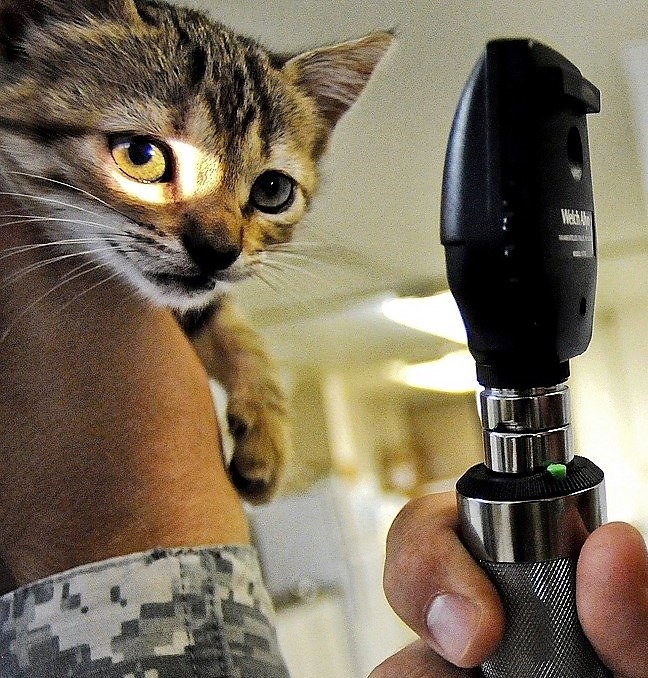
Pet owners across Ottawa, Orleans, and Blackburn Hamlet share a common goal: helping their pets live long, healthy, and happy lives. Whether caring for a playful puppy, an independent cat, or a senior companion, preventative pet care remains one of the most effective ways to support lifelong health and wellbeing. While many people think of veterinary visits only when a pet appears sick or injured, preventative care focuses on identifying potential concerns before they become serious problems.
By taking a proactive approach to pet health, families can help reduce the risk of disease, improve quality of life, and ensure their pets enjoy more active years by their side. Preventative care is not just about avoiding illness. It is about creating a strong foundation for overall wellness throughout every stage of a pet’s life.
What Is Preventative Pet Care?
Preventative pet care refers to the routine healthcare practices designed to maintain a pet’s health and identify concerns early. Rather than waiting for symptoms to develop, preventative care focuses on monitoring, protecting, and supporting a pet’s wellbeing before problems arise.
A comprehensive preventative care plan may include routine wellness exams, vaccinations, parasite prevention, nutritional guidance, dental care, weight management, and regular health screenings.
Many health conditions develop gradually and may not show obvious symptoms in their early stages. Preventative care allows veterinary teams to detect subtle changes that could indicate developing concerns long before they impact a pet’s quality of life.
Why Early Detection Matters
Animals are often very good at hiding discomfort or illness. In many cases, pets may continue to eat, play, and interact normally even while underlying health conditions are developing.
This natural instinct can make it difficult for pet owners to recognize when something is wrong. Regular wellness visits provide opportunities for trained veterinary professionals to identify concerns that may otherwise go unnoticed.
Early detection can help identify issues such as:
• Heart disease
• Kidney disease
• Diabetes
• Arthritis
• Dental disease
• Obesity-related conditions
• Hormonal imbalances
• Certain cancers
When detected early, many conditions can be managed more effectively, improving treatment outcomes and helping pets maintain a better quality of life.
Wellness Exams Are About More Than Vaccines
Many pet owners associate veterinary visits with vaccinations, but wellness examinations provide much more than vaccine updates.
During a routine exam, veterinarians evaluate multiple aspects of a pet’s overall health. This often includes checking weight, body condition, skin and coat health, eyes, ears, teeth, joints, heart function, respiratory health, and abdominal organs.
These evaluations establish important health baselines and allow veterinary teams to monitor changes over time.
Even pets that appear healthy can benefit from regular assessments because small changes are often easier to identify during ongoing care rather than during emergency situations.
The Role of Vaccinations in Preventative Care
Vaccinations remain one of the most important components of preventative pet healthcare.
Vaccines help protect pets from potentially serious diseases that can spread through contact with other animals, wildlife, contaminated environments, or public spaces.
Puppies and kittens require a series of vaccinations early in life to build immunity. Adult pets continue to benefit from vaccine schedules tailored to their age, lifestyle, and individual risk factors.
For example, a dog that frequently visits parks, boarding facilities, grooming salons, or training classes may have different vaccination needs than a dog that spends most of its time at home.
Routine vaccination planning helps ensure pets remain protected while avoiding unnecessary risks.
Parasite Prevention Is Essential Year-Round
Parasites can impact pets of all ages and lifestyles.
Fleas, ticks, intestinal parasites, and other external or internal parasites can affect a pet’s comfort, health, and overall wellbeing. Some parasites can also pose risks to human family members.
In areas such as Ottawa, Orleans, and Blackburn Hamlet, seasonal changes can influence parasite activity, particularly during warmer months when outdoor activities increase.
Preventative parasite control helps reduce exposure risks while supporting healthier pets throughout the year.
Many pet owners are surprised to learn that parasites can be encountered in backyards, walking trails, parks, and other everyday environments.
A proactive prevention plan remains one of the most effective ways to reduce these risks.
The Growing Importance of Pet Dental Care
Dental health is often overlooked, yet it plays a major role in a pet’s overall wellbeing.
By the age of three, many dogs and cats show signs of dental disease. Without proper care, plaque and tartar accumulation can lead to gum disease, infection, pain, and tooth loss.
Oral health issues can also affect other parts of the body. Bacteria associated with severe dental disease may contribute to problems involving the heart, kidneys, and liver.
Routine dental evaluations, professional cleanings when necessary, and consistent home care can significantly improve long-term health outcomes.
Preventative dental care not only helps protect a pet’s teeth but can also improve comfort, appetite, and overall quality of life.
Weight Management and Nutrition Matter
Obesity has become one of the most common health concerns affecting pets today.
Excess weight can increase the risk of numerous health conditions, including diabetes, arthritis, heart disease, and respiratory difficulties.
Maintaining a healthy weight begins with proper nutrition and appropriate activity levels.
Every pet has unique dietary requirements based on age, breed, size, activity level, and overall health. What works for one pet may not be suitable for another.
Preventative care appointments provide opportunities to discuss nutrition, monitor body condition, and make adjustments that support long-term health goals.
Even small changes in diet and exercise routines can produce meaningful benefits over time.
Senior Pets Require Additional Monitoring
As pets age, their healthcare needs often change.
Many dogs and cats begin entering their senior years around seven years of age, although this varies by breed and size.
Older pets may experience gradual changes involving mobility, vision, hearing, metabolism, and organ function.
Because age-related conditions often develop slowly, preventative care becomes increasingly important during the senior years.
Regular monitoring may help identify:
• Arthritis
• Kidney disease
• Heart disease
• Cognitive changes
• Endocrine disorders
• Mobility challenges
With early intervention and proper management, many senior pets continue enjoying active, fulfilling lives for years.
Preventative Care Supports Better Quality of Life
The ultimate goal of preventative care is not simply avoiding illness. It is helping pets enjoy the highest possible quality of life.
Healthy pets tend to remain more active, comfortable, and engaged in daily activities. They often experience fewer health complications and recover more quickly when medical issues do occur.
Routine healthcare creates opportunities to address concerns before they become larger challenges, helping pets maintain their wellbeing through every life stage.
Preventative care also gives pet owners valuable peace of mind, knowing they are taking proactive steps to support their companions.
Building a Lifetime Healthcare Partnership
One of the most valuable aspects of preventative care is the ongoing relationship it creates between pet owners and veterinary professionals.
Regular visits allow veterinary teams to become familiar with a pet’s medical history, personality, lifestyle, and individual needs.
Over time, this familiarity helps create more personalized care plans and supports better long-term health outcomes.
Whether a pet is a young puppy, an active adult cat, or a beloved senior companion, consistent preventative care helps ensure they receive the support they need throughout their lives.
Conclusion
Preventative pet care remains one of the most important investments pet owners can make in their companion’s health and happiness. From routine wellness exams and vaccinations to dental care, nutrition guidance, parasite prevention, and senior health monitoring, preventative care provides the foundation for a healthier future.
For families throughout Ottawa, Orleans, and Blackburn Hamlet, taking a proactive approach to pet health helps support longer, more comfortable, and more fulfilling lives for their pets. By focusing on prevention rather than reaction, pet owners can help ensure their companions enjoy the best possible quality of life for years to come.