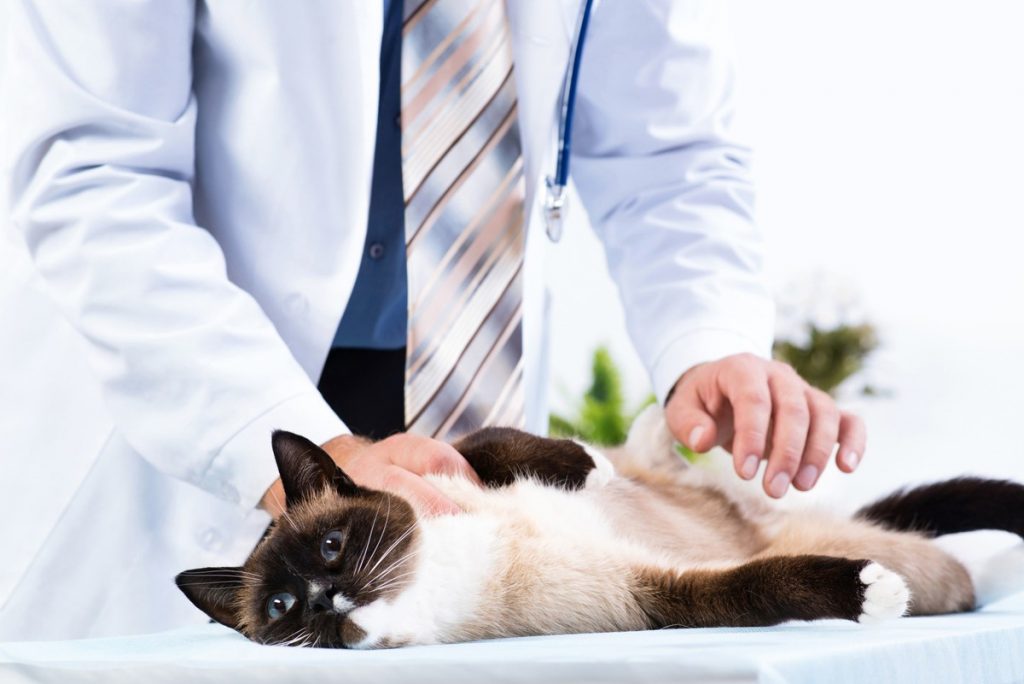
Pets cannot tell us when something feels different. They cannot explain that they are drinking more water than usual, urinating more frequently, or feeling discomfort during everyday activities. Instead, they often continue their normal routines while underlying health conditions develop quietly. This is one reason why preventative veterinary care is so important, and why routine urinalysis has become an essential part of monitoring a pet’s overall health.
Many pet owners associate urine testing with pets that are already sick. However, routine urinalysis is also a valuable screening tool for healthy dogs and cats. It can provide important information about kidney function, hydration, urinary tract health, and metabolic conditions long before obvious symptoms appear.
For pet owners in Rockland and Ottawa, understanding the role of routine urinalysis can help support early disease detection, improve long-term health outcomes, and give pets the best opportunity to enjoy active, healthy lives.
What Is a Urinalysis?
A urinalysis is a laboratory examination of a urine sample that provides valuable information about a pet’s overall health.
While bloodwork evaluates many functions within the bloodstream, urinalysis offers insight into how the kidneys and urinary system are functioning.
A routine urinalysis may evaluate:
- Urine concentration
- pH levels
- Protein levels
- Glucose
- Blood
- White blood cells
- Crystals
- Bacteria
- Other microscopic findings
Together, these results help veterinary professionals build a more complete picture of a pet’s health.
Why Urinalysis Is Important Even for Healthy Pets
Many illnesses begin gradually and may not produce obvious symptoms during their early stages.
Routine urinalysis helps identify subtle changes before pets begin showing signs of illness.
Healthy pets can sometimes have underlying conditions that are only detected through routine screening.
Identifying these changes early often allows veterinary professionals to investigate further before problems become more serious.
Preventative testing is not about expecting illness—it is about confirming wellness and recognizing changes as early as possible.
Monitoring Kidney Health
The kidneys perform many essential functions that help keep pets healthy.
They:
- Filter waste products
- Maintain fluid balance
- Help regulate blood pressure
- Support electrolyte balance
- Remove toxins from the body
Kidney disease often develops slowly, particularly in older pets.
Routine urinalysis may identify early changes in kidney function before clinical symptoms become noticeable.
Earlier detection provides more opportunities to manage the condition and support long-term quality of life.
Detecting Urinary Tract Infections
Urinary tract infections can affect both dogs and cats.
Some pets show obvious symptoms, while others have very subtle signs.
Routine urinalysis may help identify evidence of infection before it progresses.
Possible signs of urinary tract issues may include:
- Frequent urination
- Straining
- Accidents indoors
- Blood in the urine
- Increased licking around the urinary area
However, not every pet with a urinary tract infection displays these symptoms, making routine testing particularly valuable.
Identifying Diabetes Earlier
Urinalysis can also help identify changes associated with diabetes.
Glucose is not normally present in significant amounts in urine.
When glucose appears, it may indicate that further investigation is needed.
Early recognition of diabetes allows treatment plans to begin sooner, helping pets maintain better long-term health.
Routine wellness screening often identifies these changes before severe illness develops.
Monitoring Hydration
Proper hydration is essential for nearly every body system.
Urinalysis helps evaluate how concentrated or diluted the urine is, providing insight into hydration status and kidney function.
Changes in urine concentration may occasionally suggest:
- Dehydration
- Excessive water intake
- Kidney changes
- Hormonal disorders
This information complements findings from a physical examination and bloodwork.
Detecting Protein Loss
Protein is an important nutrient that should generally remain within the bloodstream.
Routine urinalysis can identify abnormal protein levels in urine.
Protein loss may sometimes indicate:
- Kidney disease
- Inflammation
- Other underlying health concerns
Because protein loss often develops quietly, routine testing allows earlier recognition and monitoring.
Identifying Urinary Crystals
Some pets develop microscopic crystals within their urine.
While not all crystals cause problems, certain types may increase the risk of urinary stones or irritation.
Routine urinalysis helps identify crystals before they lead to more significant complications.
Early detection allows veterinary professionals to recommend appropriate monitoring or dietary adjustments when needed.
Senior Pets Benefit From Routine Screening
As dogs and cats age, routine urinalysis becomes increasingly valuable.
Senior pets have a higher risk of developing:
- Kidney disease
- Diabetes
- Urinary tract infections
- Hormonal disorders
Many of these conditions progress gradually and may remain unnoticed without routine screening.
Regular urinalysis helps monitor changes over time while supporting earlier intervention when necessary.
Urinalysis Complements Routine Bloodwork
Urinalysis and bloodwork work together to provide a more complete understanding of a pet’s health.
While blood tests evaluate organ function from one perspective, urine testing provides additional information that helps veterinary professionals interpret results more accurately.
Together, these diagnostic tools may reveal changes that neither test could identify alone.
Using both as part of preventative healthcare supports more informed decision-making.
Monitoring Pets With Chronic Conditions
Pets living with ongoing medical conditions often benefit from routine urinalysis.
Monitoring may be recommended for pets managing:
- Kidney disease
- Diabetes
- Hormonal disorders
- Bladder conditions
- Long-term medications
Regular testing allows veterinary professionals to evaluate how well treatment plans are working and make adjustments when necessary.
Changes Owners Should Watch For
While routine testing is valuable, pet owners should also monitor for changes at home.
Signs that deserve attention include:
- Drinking more water than usual
- Urinating more frequently
- Difficulty urinating
- Blood in the urine
- Strong urine odor
- Accidents inside the house
- Changes in litter box habits
These changes do not always indicate serious illness, but they should not be ignored.
Discussing new symptoms during routine wellness visits helps ensure concerns are evaluated appropriately.
Stress-Free Sample Collection
Many owners worry that urine testing may be uncomfortable for their pets.
In most cases, urine samples can be collected safely and with minimal stress.
Veterinary teams use techniques designed to obtain accurate samples while keeping pets as comfortable as possible.
Owners may also receive guidance on collecting samples at home when appropriate.
Preventative Care Supports Lifelong Health
Routine urinalysis is one part of a comprehensive preventative healthcare plan.
Combined with:
- Annual wellness exams
- Routine bloodwork
- Vaccinations
- Parasite prevention
- Dental care
- Proper nutrition
- Regular exercise
it helps provide a complete picture of a pet’s health.
Preventative care allows small changes to be identified before they develop into larger health concerns.
Building Long-Term Health Records
Routine testing also creates valuable health records over time.
Establishing baseline results while a pet is healthy allows future tests to be compared against previous findings.
Even subtle changes become easier to recognize when there is a history of normal values available.
This long-term monitoring supports more personalized healthcare throughout every stage of life.
Supporting Quality of Life
Ultimately, the purpose of routine urinalysis is not simply to diagnose disease.
It is to help pets remain healthy, comfortable, and active by identifying potential concerns before they begin affecting daily life.
Early detection often allows pets to receive care sooner, improving comfort and helping families enjoy more healthy years together.
Conclusion
Routine urinalysis is an important part of preventative veterinary care for dogs and cats of all ages. By evaluating kidney function, hydration, urinary tract health, glucose levels, protein, crystals, and other important indicators, this simple test provides valuable insight into a pet’s internal health.
For families in Rockland and Ottawa, incorporating routine urinalysis into regular wellness care can help detect health concerns earlier, monitor ongoing conditions, and establish healthy baseline values that support lifelong care. Combined with regular veterinary examinations, proper nutrition, exercise, and preventative healthcare, routine urinalysis helps give pets the best opportunity to live long, healthy, and comfortable lives.