A dog limping can be one of the most concerning things a pet owner notices. One day, everything seems normal during a walk in Orléans or a backyard in Navan. The next, a dog is suddenly favoring one leg, walking unevenly, or refusing to put weight on a paw.
For pet owners across Ottawa, Gloucester, Vanier, Rockcliffe, and Navan, this often leads to urgent searches like “why is my dog limping,” “vet near me,” or “emergency vet near me.” While some cases of limping may resolve on their own, others can signal serious underlying issues that require immediate attention.
Understanding the causes — and knowing when to visit a veterinarian — is key to protecting a dog’s long-term health.
Common Reasons Why Dogs Limp
Limping is not a condition itself — it’s a symptom of an underlying issue. The severity can range from minor irritation to serious injury.
1. Minor Injuries
Dogs are active animals, and small injuries are common.
These may include:
- Small cuts or scrapes
- Bruising
- Muscle strain
- Overexertion during walks or play
A dog that was running in a park in Gloucester or playing in a yard in Orléans may simply need rest if the injury is minor.
2. Paw Injuries
The most common cause of limping is often found in the paw.
Pet owners in Ottawa and Navan should check for:
- Thorns or debris stuck in the paw
- Cuts or cracked pads
- Burns from hot pavement
- Ice buildup during winter months
Even a small foreign object can cause noticeable limping.
3. Joint or Ligament Issues
More serious causes of limping often involve joints or ligaments.
Common conditions include:
- Torn ligaments (such as ACL injuries)
- Arthritis, especially in older dogs
- Hip or elbow dysplasia
Joint-related issues are more likely if the limping persists or worsens over time.
Veterinary guidance notes that joint injuries and ligament damage are among the most common causes of persistent limping in dogs. (petmd.com)
4. Infections or Swelling
Infections can develop quickly, especially if there is a wound.
Signs may include:
- Swelling in the leg or paw
- Warmth around the affected area
- Sensitivity to touch
Infections require prompt veterinary treatment to prevent complications.
5. Fractures or Serious Injury
In more severe cases, limping may indicate:
- Broken bones
- Dislocations
- Trauma from accidents
Dogs that suddenly refuse to walk or show signs of extreme pain may need immediate emergency care.
When Limping Becomes an Emergency
Not all limping requires urgent care — but some situations should never be ignored.
Pet owners in Ottawa, Orléans, Gloucester, Vanier, Rockcliffe, and Navan should seek an emergency vet near them if:
- The dog cannot put any weight on the leg
- Limping appeared suddenly and severely
- There is visible swelling or deformity
- The dog is crying or showing signs of pain
- Limping is accompanied by other symptoms (fever, lethargy, vomiting)
Veterinary experts recommend immediate care for severe limping, as delays can worsen injuries or lead to long-term damage. (akc.org)
When to Visit a Vet Near Me in Ottawa or Navan
For milder cases, pet owners may wait 24–48 hours to see if the condition improves. However, a visit to a veterinarian is recommended if:
- Limping lasts more than 1–2 days
- The dog shows discomfort when touched
- The condition is not improving
- Limping returns repeatedly
For pet owners searching “vet near me” or “veterinarian Ottawa near me,” early intervention is always the safest approach.
Even minor issues can become more serious if left untreated.
What to Expect at the Vet Clinic
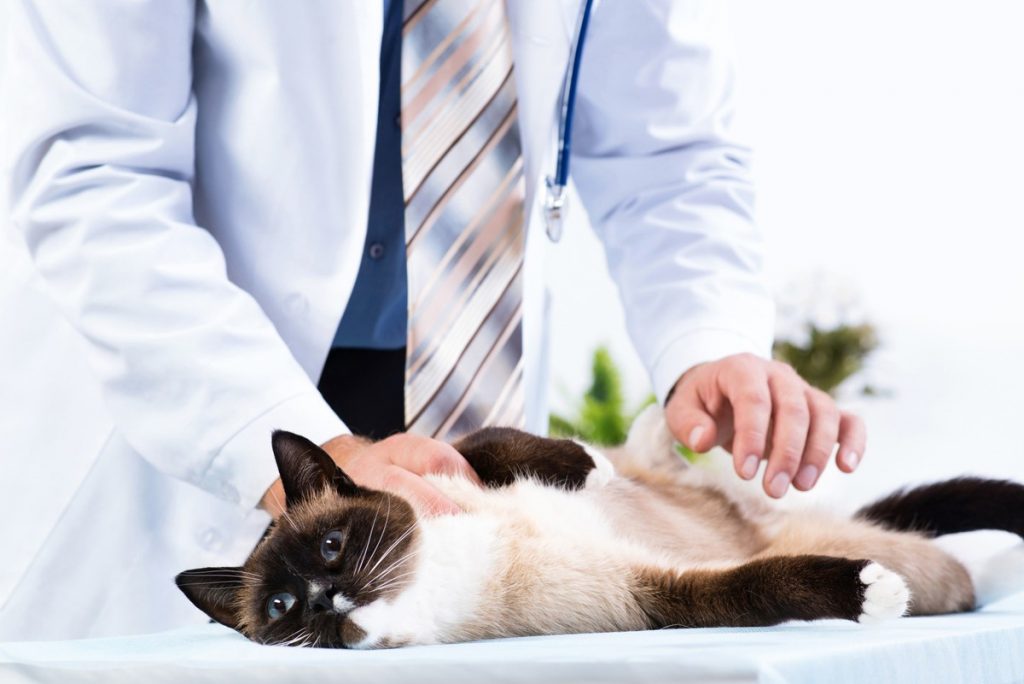
When visiting a vet clinic in Ottawa, Gloucester, or Navan, the veterinarian will typically:
Perform a Physical Exam
Checking the leg, joints, and paw for visible issues.
Assess Movement
Observing how the dog walks to identify the affected area.
Recommend Diagnostics
This may include:
- X-rays
- Blood tests
- Joint evaluations
Modern veterinary clinics use advanced diagnostics to quickly identify the cause of limping and begin treatment.
Treatment Options for Limping
Treatment depends on the cause.
Common options include:
- Rest and restricted movement
- Anti-inflammatory medications
- Bandaging or wound care
- Surgery in severe cases
Early treatment often leads to faster recovery and prevents long-term complications.
Preventing Limping in Dogs
While not all injuries can be prevented, pet owners in Ottawa, Orléans, and Navan can reduce risk by:
- Avoiding overexertion
- Checking paws regularly
- Keeping dogs at a healthy weight
- Scheduling regular vet visits
Preventative care is one of the most effective ways to reduce both injuries and long-term costs.
Local Awareness: Ottawa, Orléans, Gloucester, Vanier, Rockcliffe, and Navan
Dogs are active in all environments — from city sidewalks in Vanier to parks in Orléans and rural areas in Navan.
Because of this, injuries can happen anywhere.
For pet owners across Ottawa and surrounding areas, having access to a trusted veterinarian nearby ensures that help is available when it’s needed most.
Knowing where to go before a situation becomes urgent can make a major difference in recovery time and outcomes.
Final Thoughts
Limping is one of the most common signs that something is wrong with a dog — but the cause can range from minor to serious.
For pet owners searching “why is my dog limping,” “vet near me,” or “emergency vet near me,” the key is understanding when to monitor and when to act.
Across Ottawa, Orléans, Gloucester, Vanier, Rockcliffe, and Navan, the safest approach is simple:
If the limping doesn’t improve, get it checked.
Early care leads to better outcomes, faster recovery, and peace of mind.
Frequently Asked Questions
Why is my dog limping but not crying?
Some dogs hide pain. Limping without crying can still indicate an injury or joint issue.
Should I take my dog to the vet for limping?
If limping lasts more than 24–48 hours or worsens, a vet visit is recommended.
Can a dog limp heal on its own?
Minor injuries may heal with rest, but persistent limping should be checked by a veterinarian.
What are signs of a serious leg injury in dogs?
Inability to walk, swelling, severe pain, or deformity require immediate care.
When should I go to an emergency vet near me?
If the dog cannot walk, shows severe pain, or has a visible injury, emergency care is needed.