Vomiting in cats is something many pet owners will experience at some point — but that doesn’t make it any less concerning. One day, a cat is acting completely normal in a home in Orléans or Gloucester. The next, it’s vomiting unexpectedly, refusing food, or hiding more than usual.
For pet owners across Ottawa, Vanier, Rockcliffe, Navan, and surrounding areas, this often leads to urgent searches like “why is my cat vomiting,” “vet near me,” or “emergency vet near me.” While occasional vomiting may not always be serious, it can sometimes be a sign of an underlying health issue that requires immediate attention.
Understanding the causes — and knowing when to visit a veterinarian — is essential for protecting a cat’s health.
Is It Normal for Cats to Vomit?
Occasional vomiting in cats can be normal, especially when it involves hairballs. Cats naturally groom themselves, and swallowed hair can accumulate in the stomach.
However, frequent vomiting is not considered normal and should not be ignored.
Veterinary guidance indicates that repeated or unexplained vomiting can signal underlying medical conditions and should be evaluated by a professional. (petmd.com)
For pet owners in Orléans, Gloucester, and Ottawa, distinguishing between occasional hairballs and ongoing vomiting is key.
Common Causes of Vomiting in Cats
There are many reasons why a cat may vomit. Some are minor, while others require urgent care.
1. Hairballs
Hairballs are one of the most common causes of vomiting.
Signs include:
- Tubular-shaped vomit
- Occasional occurrence
- Otherwise normal behavior
While hairballs are common, frequent episodes may require veterinary attention.
2. Eating Too Quickly
Cats that eat too fast may vomit shortly after meals.
This is often seen in:
- Multi-pet households
- Cats competing for food
- Sudden diet changes
In these cases, vomiting is usually mild and improves with feeding adjustments.
3. Dietary Changes or Food Sensitivity
Switching food too quickly or introducing new ingredients can upset a cat’s stomach.
Symptoms may include:
- Vomiting
- Diarrhea
- Reduced appetite
Gradual diet transitions are recommended to avoid digestive issues.
4. Infections or Illness
Vomiting can also indicate underlying illness, such as:
- Gastrointestinal infections
- Kidney disease
- Liver problems
These conditions often require veterinary diagnosis and treatment.
5. Toxins or Poisoning
Cats are sensitive to many household substances.
Common risks include:
- Toxic plants
- Cleaning products
- Human foods
Ingestion of toxins can lead to sudden vomiting and requires immediate veterinary care.
6. Blockages or Foreign Objects
Cats may swallow objects such as string, plastic, or small items.
This can cause:
- Persistent vomiting
- Loss of appetite
- Abdominal pain
Blockages are serious and often require emergency treatment.
Veterinary experts note that foreign object ingestion is a common cause of repeated vomiting and can quickly become life-threatening. (aspca.org)
When Vomiting Becomes an Emergency
Not all vomiting is urgent — but some situations require immediate care.
Pet owners in Orléans, Gloucester, Vanier, Rockcliffe, and Navan should seek an emergency vet near them if:
- Vomiting is frequent or continuous
- Blood is present in vomit
- The cat is lethargic or weak
- The cat refuses food or water
- Vomiting is combined with diarrhea or fever
Veterinary guidance emphasizes that persistent vomiting or signs of distress should always be treated as urgent. (petmd.com)
When to Visit a Vet Near Me in Ottawa or Gloucester
For less severe cases, monitoring may be appropriate for a short period.
However, a vet visit is recommended if:
- Vomiting lasts more than 24 hours
- Episodes become more frequent
- Behavior changes (hiding, lethargy)
- Weight loss occurs
For pet owners searching “veterinarian Ottawa near me” or “vet clinic Ottawa,” early diagnosis is always the safest option.
What to Expect at the Vet Clinic
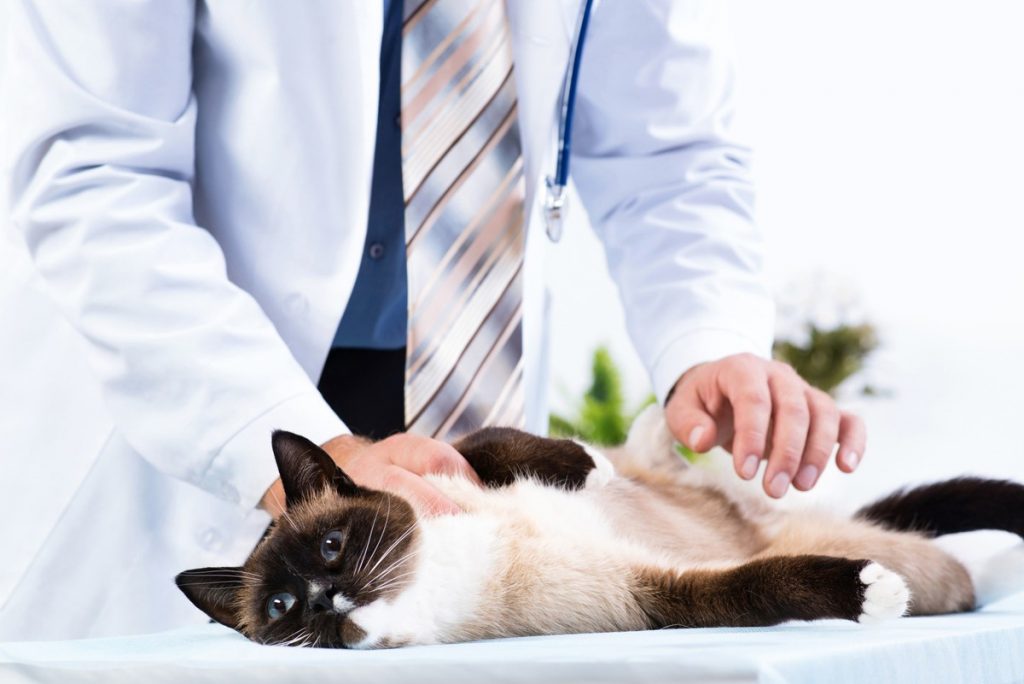
When visiting a vet clinic in Ottawa, Orléans, or Gloucester, the veterinarian will:
Perform a Physical Exam
Checking hydration, abdomen, and overall condition.
Ask About History
Including diet, frequency of vomiting, and behavior changes.
Recommend Diagnostics
This may include:
- Blood tests
- X-rays
- Ultrasound
Modern veterinary clinics use these tools to quickly identify the cause and begin treatment.
Treatment Options for Vomiting
Treatment depends on the underlying cause.
Common options include:
- Dietary adjustments
- Medications for nausea
- Fluid therapy
- Treatment for infections or illness
In severe cases, hospitalization or surgery may be required.
Preventing Vomiting in Cats
While not all causes can be prevented, pet owners in Ottawa, Orléans, and Navan can reduce risk by:
- Introducing food changes gradually
- Keeping harmful substances out of reach
- Monitoring eating habits
- Scheduling regular vet visits
Preventative care plays a major role in maintaining digestive health.
Local Awareness: Orléans, Gloucester, Ottawa, Vanier, Rockcliffe, and Navan
Cats live in a variety of environments — from busy homes in Gloucester to quiet neighborhoods in Navan and Orléans.
Because of this, risks can vary.
For pet owners across Ottawa and surrounding areas, having access to a trusted veterinarian ensures that help is available when symptoms appear.
Knowing where to go before a situation becomes urgent is one of the most important parts of responsible pet ownership.
Final Thoughts
Vomiting in cats can range from minor to serious, but it should never be ignored if it becomes frequent or severe.
For pet owners searching “why is my cat vomiting,” “emergency vet near me,” or “vet near me,” the most important step is understanding when to monitor and when to act.
Across Orléans, Gloucester, Ottawa, Vanier, Rockcliffe, and Navan, the safest approach is simple:
If the vomiting continues or worsens, get it checked.
Early care leads to faster recovery and better outcomes.
Frequently Asked Questions
Why is my cat vomiting but acting normal?
Occasional vomiting, such as hairballs, can be normal, but frequent episodes should be checked.
How many times is too much for a cat to vomit?
More than once in 24 hours or repeated vomiting over multiple days should be evaluated.
Should I take my cat to the vet for vomiting?
Yes, if vomiting persists, worsens, or is accompanied by other symptoms.
What are signs of a serious problem?
Blood in vomit, lethargy, loss of appetite, or continuous vomiting require immediate care.
When should I go to an emergency vet near me?
If vomiting is severe, persistent, or combined with other symptoms, emergency care is needed.